
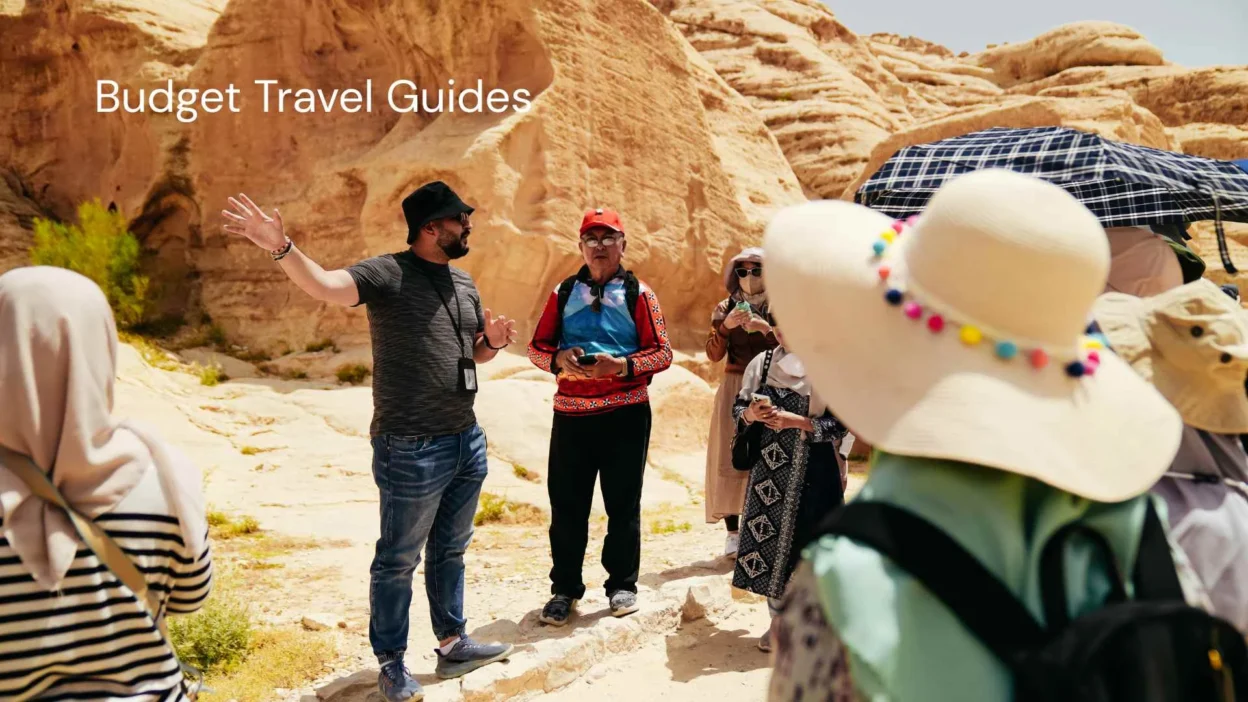
Traveling is often seen as a luxury, a dream reserved for those with deep pockets. But what if we told you that budget travel isn’t just possible—it’s incredibly rewarding? With the right planning, resources, and mindset, you can explore the globe, experience new cultures, and create unforgettable memories without emptying your wallet.
In this comprehensive guide, we’ll cover everything from budgeting tips and accommodation hacks to transportation strategies and destination ideas, ensuring your next adventure is both affordable and unforgettable.
Why Choose Budget Travel?
Travel doesn’t have to be expensive. Budget travel allows you to:
- Stretch your funds further: Get more experiences for less money.
- Travel longer: With careful budgeting, you can extend your trips.
- Experience local life: Budget travelers often stay in hostels, guesthouses, or homestays, which offer authentic cultural experiences.
- Build resilience and independence: Planning a budget trip teaches resourcefulness, problem-solving, and adaptability.
Budget travel is about making smart choices rather than cutting out fun. It’s about exploring creatively, finding hidden gems, and prioritizing experiences over luxury.
How to Plan a Budget Travel Adventure
1. Set a Realistic Budget
Before booking flights or accommodations, determine your overall budget. Break it down into key categories:
- Flights and transportation
- Accommodation
- Food and dining
- Activities and excursions
- Miscellaneous expenses (souvenirs, local transport, tips)
A simple rule of thumb is the 50/30/20 approach: 50% for essentials, 30% for experiences, 20% as a buffer for emergencies.
2. Choose Affordable Destinations
Some countries are naturally more budget-friendly due to lower cost of living. Popular options include:
- Southeast Asia: Thailand, Vietnam, Cambodia, Indonesia
- Eastern Europe: Poland, Romania, Hungary, Bulgaria
- South America: Bolivia, Peru, Ecuador
- India and Sri Lanka
Do some research on daily expenses, visa costs, and exchange rates to make informed decisions.
3. Travel During Off-Peak Seasons
Traveling off-season can save you up to 50% on flights and accommodations. You’ll also enjoy fewer crowds and a more authentic experience. For instance:
- Europe: Avoid June–August, aim for April–May or September–October
- Southeast Asia: Skip the monsoon season; try shoulder months
- South America: Travel before or after the peak tourist months
Finding Cheap Flights
Flights are often the biggest travel expense. Here are proven strategies to save money:
1. Use Flight Comparison Tools
Websites like Skyscanner, Google Flights, and Kayak help you compare prices across multiple airlines. Use the “flexible dates” option to find the cheapest days to fly.
2. Book in Advance (But Not Too Early)
For international flights, booking 2–6 months in advance usually yields the best deals. Last-minute deals are rare, but sometimes budget airlines offer flash sales.
3. Consider Alternative Airports
Flying into secondary airports often saves money. For example, instead of landing in London Heathrow, try Gatwick or Stansted.
4. Sign Up for Alerts and Loyalty Programs
Set fare alerts and join airline newsletters to catch discounts. Frequent flyer programs can also provide upgrades or free flights over time.
Budget-Friendly Accommodation Options
Accommodation doesn’t have to break the bank. Consider these options:
1. Hostels
Modern hostels aren’t just cheap—they’re social hubs. Many offer:
- Dormitory-style rooms (shared bathrooms)
- Private rooms at affordable rates
- Free breakfast, communal kitchens, and social events
2. Guesthouses and Homestays
These options give you a local experience while often being cheaper than hotels. Platforms like Airbnb or Booking.com can help you find deals.
3. Couchsurfing
For the ultra-budget traveler, Couchsurfing allows you to stay with locals for free, offering insight into culture and everyday life.
4. Camping
If you’re an outdoor enthusiast, camping or staying in eco-lodges can save money while keeping you close to nature.
Affordable Food and Dining Tips
Food is an essential part of travel, and you can enjoy it without overspending.
1. Eat Like a Local
Street food, local markets, and small family-owned restaurants are often cheaper and tastier than touristy spots.
2. Self-Catering
If your accommodation has a kitchen, cook your own meals. Simple groceries and local ingredients can save a lot over dining out.
3. Avoid Tourist Traps
Restaurants near major attractions are usually expensive. Walk a few blocks away to find authentic and affordable options.
4. Take Advantage of Lunch Specials
Many restaurants offer discounted lunch menus, which are cheaper than dinner options.
Transportation on a Budget
Getting around doesn’t have to be costly. Consider:
1. Public Transport
Buses, trains, and metros are significantly cheaper than taxis. Research transport passes or cards for tourists.
2. Ride-Sharing and Carpooling
Apps like BlaBlaCar or Uber Pool allow you to share rides and save money.
3. Walking and Biking
For short distances, walking or renting a bike is free or very cheap—and you’ll see more of the city!
4. Budget Airlines
Intra-country or regional flights on budget carriers can save both time and money, but watch out for hidden fees.
Free and Low-Cost Activities
Travel experiences don’t have to cost a fortune. Look for:
- Free walking tours: Many cities offer tours where you tip what you can afford.
- Museums and galleries with free entry: Check opening days.
- Nature exploration: Beaches, parks, mountains, and hiking trails are usually free.
- Local festivals and events: Experience culture without spending much.
Budget Travel Hacks
1. Travel Light
Avoid checked baggage fees by packing only a carry-on. It also makes moving between destinations faster and easier.
2. Use Travel Rewards
Credit card points or travel reward programs can significantly reduce flight and hotel costs.
3. Book in Advance
From flights to hostels and activities, booking early often yields the best rates.
4. Learn Basic Local Phrases
Knowing simple words like “hello,” “please,” and “thank you” can help negotiate prices and avoid tourist premiums.
5. Digital Tools
Apps like Rome2Rio, XE Currency, Google Maps, and TripAdvisor help you save money and plan efficiently.
Budget Travel Mistakes to Avoid
Even budget travelers can overspend if they’re not careful. Avoid:
- Ignoring hidden costs: Airport transfers, tourist taxes, and baggage fees add up.
- Overpacking: More luggage = more fees.
- Being rigid with dates: Flexibility often leads to savings.
- Ignoring safety: Avoid cheap but unsafe options—your health and security are priceless.
Sample Budget Travel Itinerary
Here’s how a 7-day budget trip might look in Thailand:
| Day | Activity | Estimated Cost (USD) |
|---|---|---|
| 1 | Arrival in Bangkok, explore street markets | $20 |
| 2 | Visit Grand Palace, free walking tour | $15 |
| 3 | Day trip to Ayutthaya by train | $10 |
| 4 | Travel to Chiang Mai by bus | $25 |
| 5 | Elephant sanctuary visit | $30 |
| 6 | Hiking Doi Suthep, local food tour | $20 |
| 7 | Departure | $0 |
Total: ~$120 (excluding flights)
This shows how strategic planning can make a memorable trip affordable.
Tools and Resources for Budget Travelers
Some helpful tools to save money and time:
- Flight comparison: Skyscanner, Google Flights
- Accommodation: Hostelworld, Airbnb, Booking.com
- Transportation: Rome2Rio, BlaBlaCar
- Budget planning: Trail Wallet, Mint
- Local deals: Groupon, Meetup
Final Thoughts: Travel Smart, Travel Cheap
Budget travel is not about sacrificing comfort or experiences—it’s about being resourceful, creative, and intentional with your choices. With careful planning, flexibility, and an adventurous spirit, you can travel the world without financial stress.