
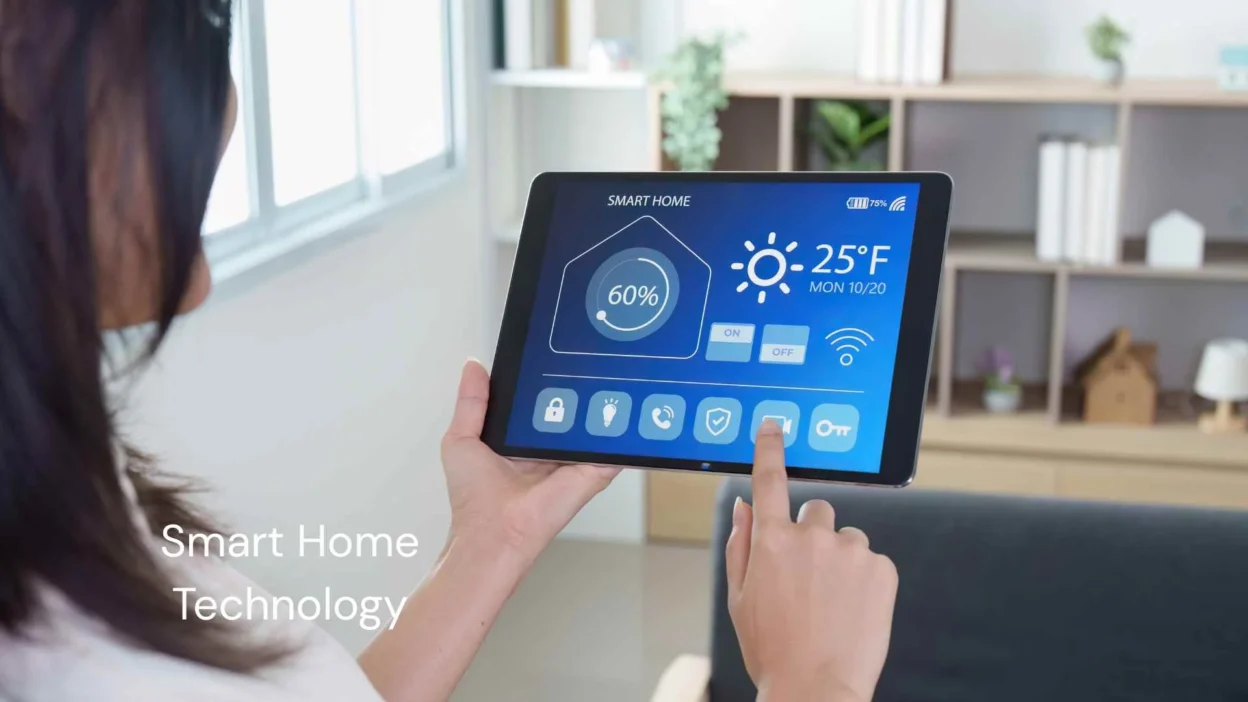
In today’s fast-paced world, our homes are evolving to become more than just a place to live—they are becoming intelligent, connected hubs designed to simplify life, enhance comfort, and improve security. Welcome to the era of Smart Home Technology. From automated lighting to intelligent appliances, this revolutionary technology is redefining how we interact with our living spaces.
Whether you’re a tech enthusiast, a homeowner looking to upgrade, or someone curious about modern conveniences, understanding smart home technology is essential. In this article, we’ll explore its features, benefits, and the best ways to integrate it into your daily life.
What is Smart Home Technology?
Smart home technology, also known as home automation, refers to devices, appliances, and systems that can be controlled remotely via a smartphone, tablet, or computer. These systems often connect through Wi-Fi, Bluetooth, or specialized smart home hubs, allowing homeowners to monitor, manage, and automate their homes.
Examples include:
- Smart thermostats
- Voice-activated assistants
- Automated lighting
- Smart security cameras
- Connected kitchen appliances
By combining these devices, homeowners can create a seamless, intelligent living environment tailored to their lifestyle.
Benefits of Smart Home Technology
Integrating smart technology into your home comes with numerous advantages:
1. Convenience and Comfort
Imagine adjusting the thermostat, turning on lights, or playing your favorite music—all from your smartphone or with a simple voice command. Smart home technology removes the need for manual control, making daily routines effortless.
2. Energy Efficiency
Smart thermostats, lighting, and appliances can reduce energy consumption by automatically adjusting usage based on your habits. This not only lowers utility bills but also reduces your carbon footprint.
3. Enhanced Security
Smart security systems offer real-time monitoring, motion detection, and instant alerts. You can check your home remotely, lock doors, or even view live video feeds, providing peace of mind whether you’re home or away.
4. Customization
Smart devices can learn your preferences over time. For example, your lighting system can adjust brightness based on the time of day, or your coffee maker can brew a fresh cup when your morning alarm goes off.
5. Increased Home Value
Homes equipped with smart technology are highly desirable. Potential buyers see smart homes as modern, convenient, and safe, which can increase property value.
Popular Smart Home Devices
Here’s a closer look at the most commonly used smart devices today:
1. Smart Thermostats
Smart thermostats like Nest or Ecobee learn your schedule and adjust heating or cooling automatically. They can also be controlled remotely, helping save energy and money.
2. Smart Lighting
With smart bulbs and switches, you can control the ambiance of any room. Schedule lights to turn on at sunset or use motion sensors for convenience and safety.
3. Smart Speakers & Voice Assistants
Devices such as Amazon Echo or Google Nest Hub allow you to control your home with voice commands, stream music, set reminders, or even answer questions hands-free.
4. Smart Security Cameras
Monitor your property in real-time, receive alerts for unusual activity, and even communicate with visitors remotely. Brands like Ring and Arlo are leading choices.
5. Smart Locks
Smart locks provide keyless entry and can be controlled via an app. You can grant temporary access to guests or service personnel without giving them a physical key.
6. Smart Kitchen Appliances
From connected refrigerators that track your groceries to ovens you can preheat remotely, smart appliances make cooking and meal prep easier than ever.
7. Smart Home Hubs
Hubs like Samsung SmartThings or Apple HomeKit centralize control for all your smart devices, ensuring seamless integration and automation.
How Smart Home Technology Works
Smart home technology works through connectivity and communication:
- Device Communication – Smart devices communicate with each other using Wi-Fi, Zigbee, or Z-Wave protocols.
- Central Control – Hubs or apps act as a central interface to control all connected devices.
- Automation & AI – Many systems use AI to learn your habits, predict needs, and automate functions.
- Remote Access – Smartphones and tablets allow you to monitor and control your home from anywhere.
Smart Home Automation Ideas
Automation allows your home to run itself based on your preferences. Some ideas include:
- Morning Routine Automation: Lights turn on gradually, the coffee maker starts brewing, and your thermostat adjusts for comfort.
- Security Automation: Doors lock automatically when you leave, lights turn on at night, and cameras notify you of any movement.
- Energy-Saving Automation: Lights and appliances turn off when rooms are unoccupied.
- Entertainment Automation: Sync your smart TV, sound system, and lighting for a cinematic experience.
Challenges and Considerations
While smart home technology is exciting, there are some challenges:
1. Cost
Initial setup can be expensive. However, long-term savings on energy bills can offset the upfront cost.
2. Compatibility
Not all devices work seamlessly together. Choosing products compatible with your chosen ecosystem (Amazon, Google, or Apple) is essential.
3. Security & Privacy
Smart devices collect data. Ensure devices have strong security protocols and regularly update firmware to prevent hacking.
4. Technical Complexity
Some homeowners may find setup and troubleshooting challenging. Fortunately, many devices now offer user-friendly apps and tutorials.
Future Trends in Smart Home Technology
The future of smart homes is bright, with innovations that could redefine modern living:
- AI Integration – Smarter AI will enable homes to anticipate needs even before you ask.
- Voice and Gesture Control – Control more devices using natural gestures or conversation.
- Healthcare Monitoring – Smart homes may track health metrics like heart rate, sleep, and medication reminders.
- Sustainability Features – Smart homes will become more energy-efficient, using renewable energy and intelligent water management.
- 5G Connectivity – Faster networks will improve responsiveness and reliability for connected devices.
How to Start Your Smart Home Journey
Starting with smart home technology doesn’t have to be overwhelming. Here’s a step-by-step guide:
- Evaluate Your Needs – Decide which areas of your home could benefit from automation.
- Choose a Platform – Pick an ecosystem like Amazon Alexa, Google Assistant, or Apple HomeKit.
- Start Small – Begin with a few devices, such as smart lights or a thermostat.
- Expand Gradually – Add security cameras, smart locks, and appliances over time.
- Optimize Automation – Use routines and schedules to automate daily tasks efficiently.
Smart Home Technology and Sustainability
One often overlooked benefit of smart homes is their potential for sustainable living:
- Smart thermostats and energy monitors reduce electricity consumption.
- Automated irrigation systems minimize water waste.
- Smart appliances optimize energy usage for cooking, laundry, and more.
By adopting smart home technology, you not only improve your lifestyle but also contribute to a greener planet.
Conclusion
Smart home technology is no longer a futuristic dream—it’s a practical, accessible way to enhance comfort, safety, and efficiency in modern homes. With devices ranging from smart thermostats to AI-powered assistants, the possibilities for automation and control are virtually endless.
Starting your smart home journey may require an initial investment and thoughtful planning, but the long-term benefits—convenience, energy efficiency, security, and modern lifestyle enhancement—make it worthwhile.

I’m Orelia Tymax, the creator of quotetypes.com, where I share simple, meaningful, and relatable quotes for every mood.