
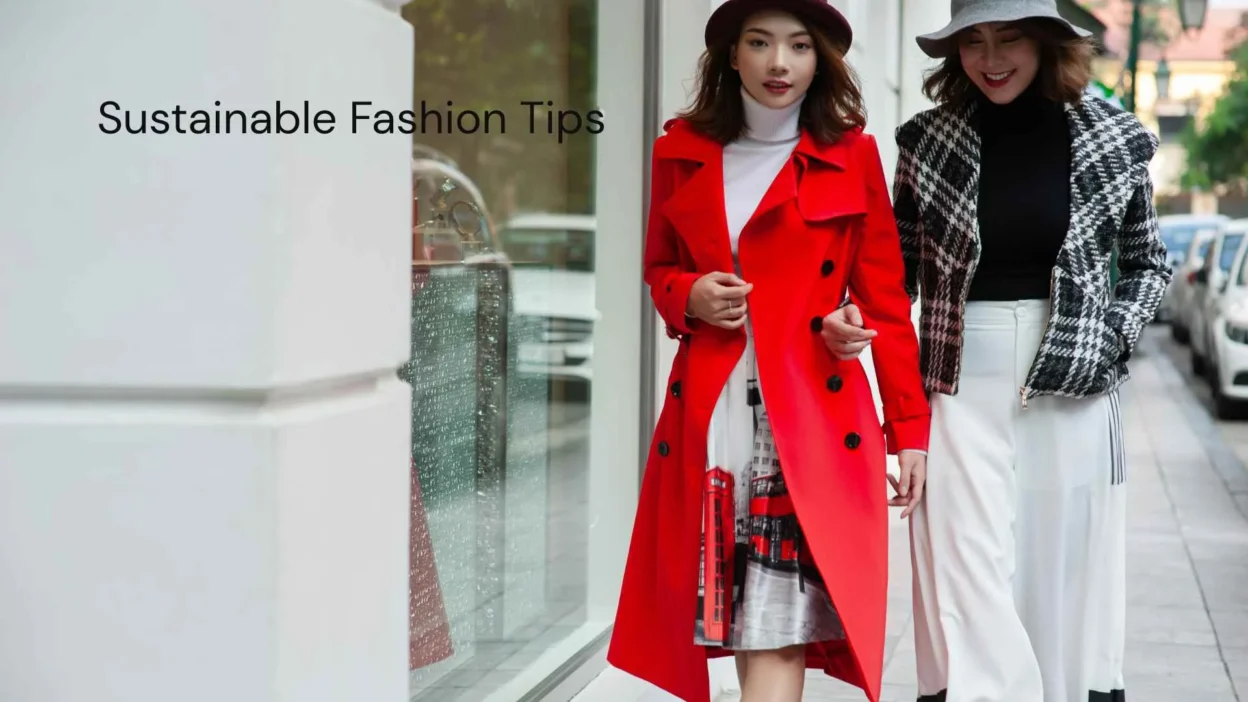
In a world where fast fashion dominates, sustainable fashion is more than just a trend—it’s a movement towards protecting our planet while staying stylish. From choosing eco-friendly fabrics to extending the life of your clothes, sustainable fashion encompasses thoughtful choices that benefit both the environment and your wallet. If you’re looking to make your wardrobe more sustainable, this guide offers practical tips, inspiring ideas, and actionable strategies.
What Is Sustainable Fashion?
Sustainable fashion, also known as eco-fashion, refers to clothing, footwear, and accessories that are designed, manufactured, and distributed in ways that minimize their environmental and social impact. Unlike fast fashion, which focuses on rapid production and disposable trends, sustainable fashion emphasizes:
- Eco-friendly materials: Organic cotton, recycled fabrics, hemp, and bamboo.
- Ethical production: Fair wages, safe working conditions, and supporting local artisans.
- Longevity: Creating durable, timeless pieces rather than disposable clothing.
- Reducing waste: Recycling, upcycling, and minimizing overproduction.
Sustainable fashion is about quality over quantity and mindful consumption. It’s about creating a wardrobe that lasts and supports positive social and environmental change.
1. Choose Sustainable Fabrics
One of the most significant steps toward a sustainable wardrobe is selecting eco-friendly fabrics. Here are some options to consider:
- Organic cotton: Grown without harmful pesticides, it reduces soil and water contamination.
- Hemp: Highly durable, requires little water, and is biodegradable.
- Tencel/Lyocell: Made from sustainably sourced wood pulp, it’s soft, breathable, and eco-friendly.
- Recycled polyester: Made from post-consumer plastic bottles, reducing waste.
- Bamboo: Naturally anti-bacterial, breathable, and requires fewer resources than cotton.
By choosing these fabrics, you reduce your environmental footprint while supporting sustainable textile innovation.
2. Support Ethical Brands
The fashion industry is notorious for exploitative labor practices. Choosing ethical brands ensures that workers are treated fairly and paid living wages. Look for brands that:
- Pay fair wages to their employees.
- Ensure safe and humane working conditions.
- Support local artisans and small-scale producers.
- Are transparent about their supply chain.
Brands often highlight certifications like Fair Trade, GOTS (Global Organic Textile Standard), or B Corp Certification. Supporting these brands encourages a shift in the industry towards fairness and responsibility.
3. Buy Less, Choose Wisely
One of the core principles of sustainable fashion is mindful consumption. Fast fashion thrives on mass production and impulse purchases, but buying fewer, higher-quality items has a lasting impact:
- Invest in timeless pieces rather than trendy, disposable clothing.
- Focus on versatility—clothes that can be mixed, matched, and layered.
- Avoid impulse buys by planning your wardrobe and making thoughtful purchases.
By buying less and choosing wisely, you reduce waste and save money in the long run.
4. Upcycle and Repurpose Clothing
Instead of discarding old clothes, upcycling and repurposing give them new life. You can:
- Transform old jeans into shorts or bags.
- Sew worn-out shirts into cleaning rags.
- Customize outdated pieces with embroidery, patches, or dyeing.
Upcycling is not only eco-friendly but also allows you to express creativity and individuality in your style.
5. Shop Secondhand
Buying secondhand is one of the most sustainable fashion choices you can make. Thrift stores, online marketplaces, and consignment shops offer unique pieces that reduce demand for new production. Benefits include:
- Saving resources used in manufacturing new clothing.
- Reducing textile waste in landfills.
- Discovering unique, vintage styles that stand out.
Apps like Depop, Poshmark, and ThredUp make it easier than ever to shop pre-loved fashion online.
6. Care for Your Clothes Properly
Clothing care significantly impacts sustainability. Proper maintenance increases lifespan, reducing the need for frequent replacements. Consider these tips:
- Wash clothes less frequently to preserve fibers.
- Use cold water and eco-friendly detergents.
- Air-dry garments instead of using a dryer.
- Repair minor damages like loose buttons or small tears.
By taking care of your wardrobe, you contribute to less textile waste and a smaller carbon footprint.
7. Embrace Capsule Wardrobes
A capsule wardrobe is a curated collection of versatile pieces that can be combined in multiple ways. Benefits include:
- Less decision fatigue when choosing outfits.
- Reduced clutter and overconsumption.
- Focus on quality over quantity.
A typical capsule wardrobe includes neutral basics, timeless outerwear, and a few statement pieces. This minimalist approach promotes sustainability while keeping your style polished.
8. Choose Timeless Over Trendy
Fast fashion relies on fleeting trends, but sustainable fashion prioritizes timeless style. Tips for creating a timeless wardrobe:
- Invest in classic silhouettes: tailored blazers, straight-leg trousers, and simple dresses.
- Stick to neutral colors that pair easily.
- Avoid excessive embellishments that quickly go out of style.
Timeless pieces last longer and reduce the need to chase seasonal trends.
9. Reduce Microplastic Pollution
Synthetic fabrics like polyester shed microplastics when washed, which can pollute oceans. Reduce your impact by:
- Choosing natural or recycled fabrics.
- Using a microfiber filter or laundry bag.
- Avoiding over-washing synthetic garments.
Every small step helps reduce water pollution and protects marine life.
10. Rent or Borrow Clothing
For special occasions, consider renting or borrowing clothes instead of buying new ones. Many platforms allow you to:
- Rent designer dresses for parties or weddings.
- Borrow maternity wear for short-term use.
- Access high-quality clothing without contributing to overproduction.
Renting reduces waste and gives you access to styles you may not wear frequently.
11. Recycle Textiles Responsibly
When clothing reaches the end of its life, recycling is crucial. Options include:
- Donating wearable items to charities.
- Using textile recycling bins offered by brands or municipalities.
- Transforming old fabrics into cleaning rags or insulation materials.
Avoid sending clothes to landfills, where they can take decades to decompose.
12. Be Conscious of Packaging
Sustainable fashion goes beyond clothing—it includes packaging choices. Consider:
- Choosing brands that use minimal or recycled packaging.
- Refusing plastic bags and opting for reusable shopping bags.
- Supporting brands with compostable or biodegradable packaging.
Small actions in packaging reduce unnecessary waste and pollution.
13. Educate Yourself About Fashion’s Impact
Understanding the environmental and social impact of fashion is crucial for making conscious choices. Learn about:
- Water consumption in textile production.
- Pollution from dyeing and finishing processes.
- Labor conditions in garment factories.
Knowledge empowers you to make better decisions and support brands aligned with your values.
14. Encourage Community Initiatives
Sustainable fashion thrives when communities support it. You can:
- Organize clothing swaps with friends or neighbors.
- Support local designers who use eco-friendly practices.
- Participate in workshops to learn sewing, mending, or upcycling skills.
Community involvement amplifies the impact of sustainable fashion.
15. Embrace Mindful Shopping Habits
Finally, mindful shopping is the backbone of sustainable fashion. Always ask yourself:
- Do I really need this item?
- Will I wear it frequently?
- Is it made ethically and sustainably?
Mindful choices reduce impulse buying and encourage a more sustainable lifestyle.
Conclusion
Sustainable fashion is a journey that combines style, ethics, and environmental consciousness. By making thoughtful choices—buying quality clothing, supporting ethical brands, upcycling, and caring for your wardrobe—you can enjoy fashion without harming the planet. Remember, sustainability is not about perfection; it’s about progress, one outfit at a time.

I’m Orelia Tymax, the creator of quotetypes.com, where I share simple, meaningful, and relatable quotes for every mood.